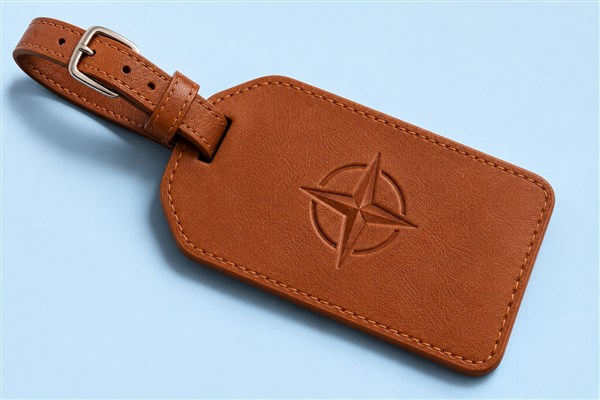
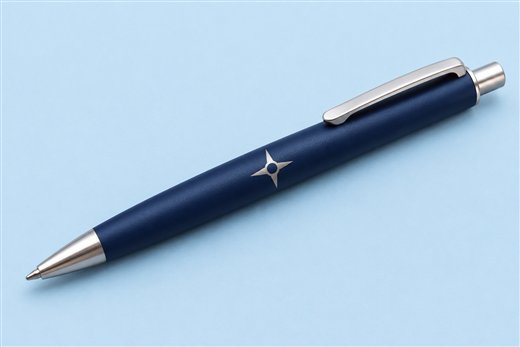
Give your logo a tactile finish on selected journals, padfolios and accessories. Explore debossed promotional products that pair useful design with a considered, understated brand impression.
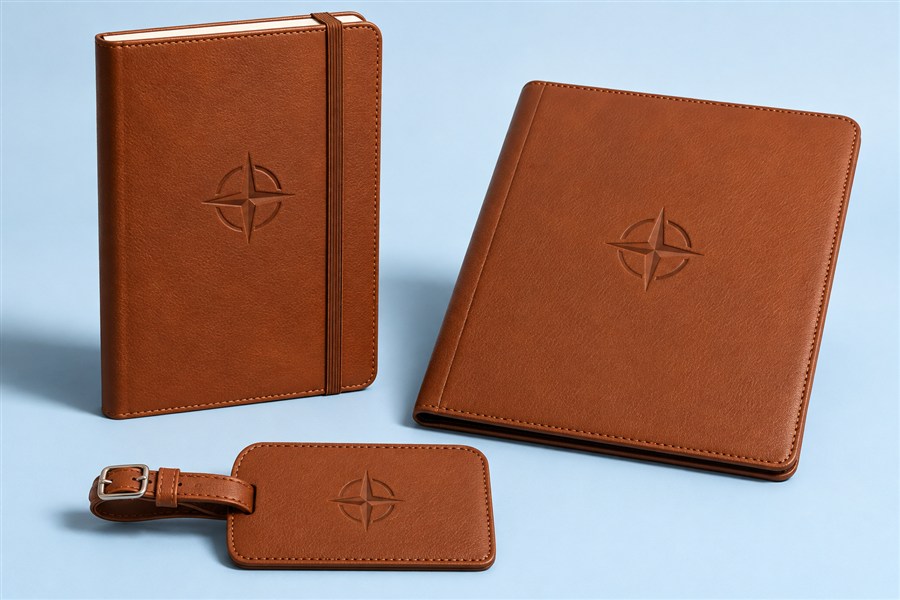
A subtle logo impression, imagined across coordinated everyday gifts.
01 / TACTILE DETAIL
A logo you can feel
Create a recessed impression that brings another dimension to a compatible product surface.
02 / UNDERSTATED STYLE
Let the material speak
A blind deboss uses depth and shadow to define the artwork without adding printed color.
03 / CONSIDERED GIFTS
Useful pieces, thoughtfully branded
Choose items for welcome kits, client gifts, meetings and employee recognition.
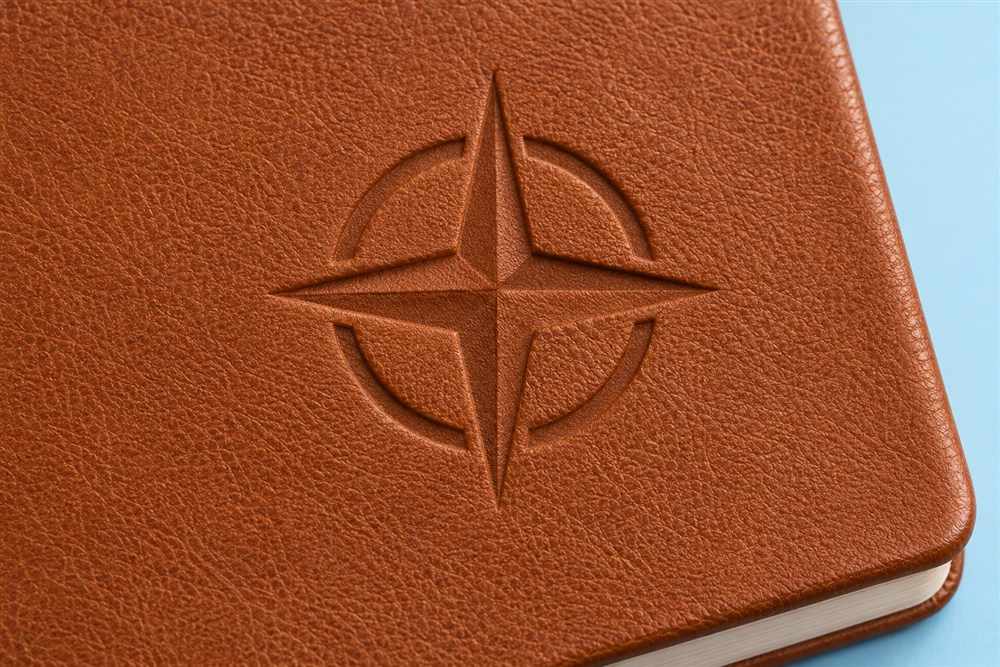
Up close: a recessed design with the material’s grain visible around it.
An impression shaped by the material
How debossing creates its finish.
Debossing presses a design below the surrounding surface using a die and pressure, often with heat. The material, tooling and production settings determine the depth, definition and overall appearance.
01
Confirm the product and placement
Review material compatibility, the available decoration area and nearby stitching or hardware. Similar-looking covers can respond differently to debossing.
02
Prepare the artwork and die
The design is adapted for a physical impression. Clear edges, open spaces and readable lettering help the logo retain its character when pressed into the material.
03
Press the design into the surface
The die creates the recessed mark. A blind deboss leaves the material as the visible finish; the final tone and contrast depend on the selected product.
Give your brand a considered finishing touch
Everyday essentials. A distinctive impression.
Start with the purpose of your gift. We’ll help identify suitable products and review how your logo can appear on the chosen material.
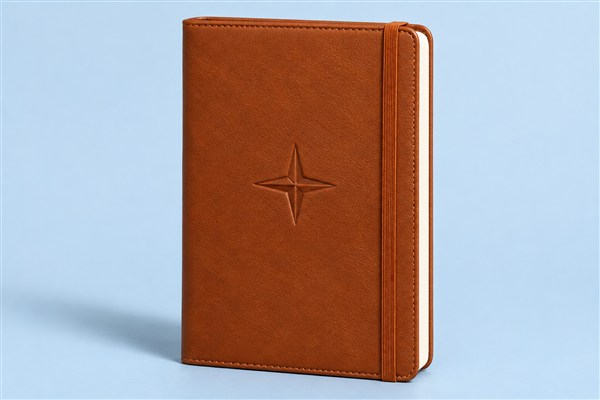
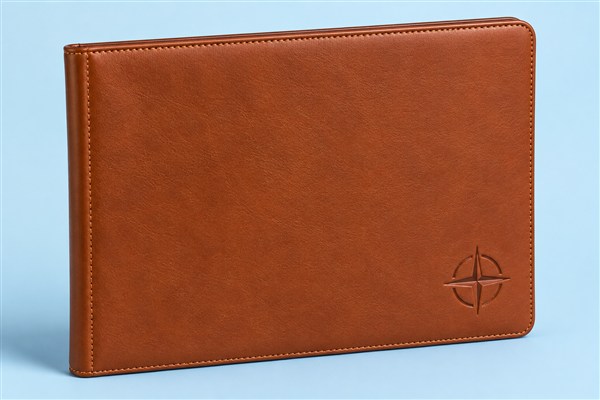
Illustrative product ideas, not specific catalog items. Debossing availability, material, imprint area, depth and contrast vary by product.
Design for depth and definition
Is debossing right for your logo?
A clear design that reads in one tonal treatment is a strong starting point. With blind debossing, the shape of your artwork carries the brand rather than a set of printed colors.
A good starting point
Distinctive symbols and lettering with well-defined edges.
Open spaces between elements so the impression stays readable.
A layout sized for the product’s confirmed deboss area.
Details worth reviewing
Very thin lines, tiny type and tightly packed artwork.
Photographs, gradients and designs that rely on color differences.
Large solid areas or highly textured surfaces that may affect definition.
Have a multicolor logo? Send the original file. We can review a simplified version for debossing or compare a printed option if brand colors are essential to the design.
Plan your debossed project
The material is part of the artwork.
A smooth cover and a heavily grained surface can give the same logo different definition. Review the expected finish with the product rather than treating a screen preview as a depth or color sample.
Depth & contrast
Material, texture and tooling affect the impression. A darker mark, fixed depth or identical contrast should not be assumed across different products.
Area & access
Edges, seams, pockets and hardware can restrict placement. Confirm size and location against the selected item’s decoration specification.
Quote & timing
Product, quantity, die preparation, design size and locations can affect cost and production timing. Share your delivery deadline.
Explore a material-based logo treatment on selected metal, coated and other compatible surfaces.
Compare with debossing
Debossing presses a design into a compatible material. Laser decoration changes a surface or removes a coating using a laser. Product construction and the desired appearance help guide the choice.
Consider a printed design when multicolor artwork is central to the project.
Compare with debossing
Digital inkjet adds a color design to a compatible surface. Blind debossing defines the logo through a recessed impression. Confirm which methods the exact product supports before choosing.
Before you choose your finish
Debossing questions, answered.
What is the difference between debossing and embossing?
Debossing places the design below the surrounding surface. Embossing raises it above the surface. They create different effects and are not interchangeable options on every product. We’ll confirm the available treatment for your item.
Will a debossed logo have a printed color?
A blind deboss has no added ink or foil; its appearance comes from the impression and material. Some products offer separate foil or color treatments, but those should not be assumed included in debossing. Tell us the finish you want so we can confirm availability.
Can any leather or leatherette product be debossed?
No. Material composition, coating, thickness, construction and access all matter. Leather and leatherette can respond differently, and a similar appearance does not guarantee compatibility. Review the exact item’s decoration options before ordering.
Will the impression look dark and deep on every item?
No. Depth, tone and visibility depend on the material and process. Texture and lighting also affect how the mark reads. A proof helps review artwork placement; it does not reproduce the tactile depth of the finished product.
Can detailed or multicolor logos be debossed?
Many logos can be adapted, but tiny lettering and closely spaced details may need simplification. A blind deboss will not preserve separate brand colors or photographic shading. Send your original artwork so we can review a suitable version.
What should I send for a debossing quote?
Share your logo, preferred product or category, quantity and delivery deadline. Include the desired placement and approximate logo size. Original vector artwork is a useful starting point, and we can review other file types to identify preparation needs.
Your logo. A thoughtful finishing touch.
Let’s create the right impression for your brand.
Send your artwork, quantity and deadline. We’ll help compare suitable promotional products and prepare a debossing quote for your project.